Project 01

Interactive
Museum

Year 2025
Type Interactive Media / Digital Experience Design
Tools p5.js, JavaScript, Web Audio API
Context Interactive Media — UTS

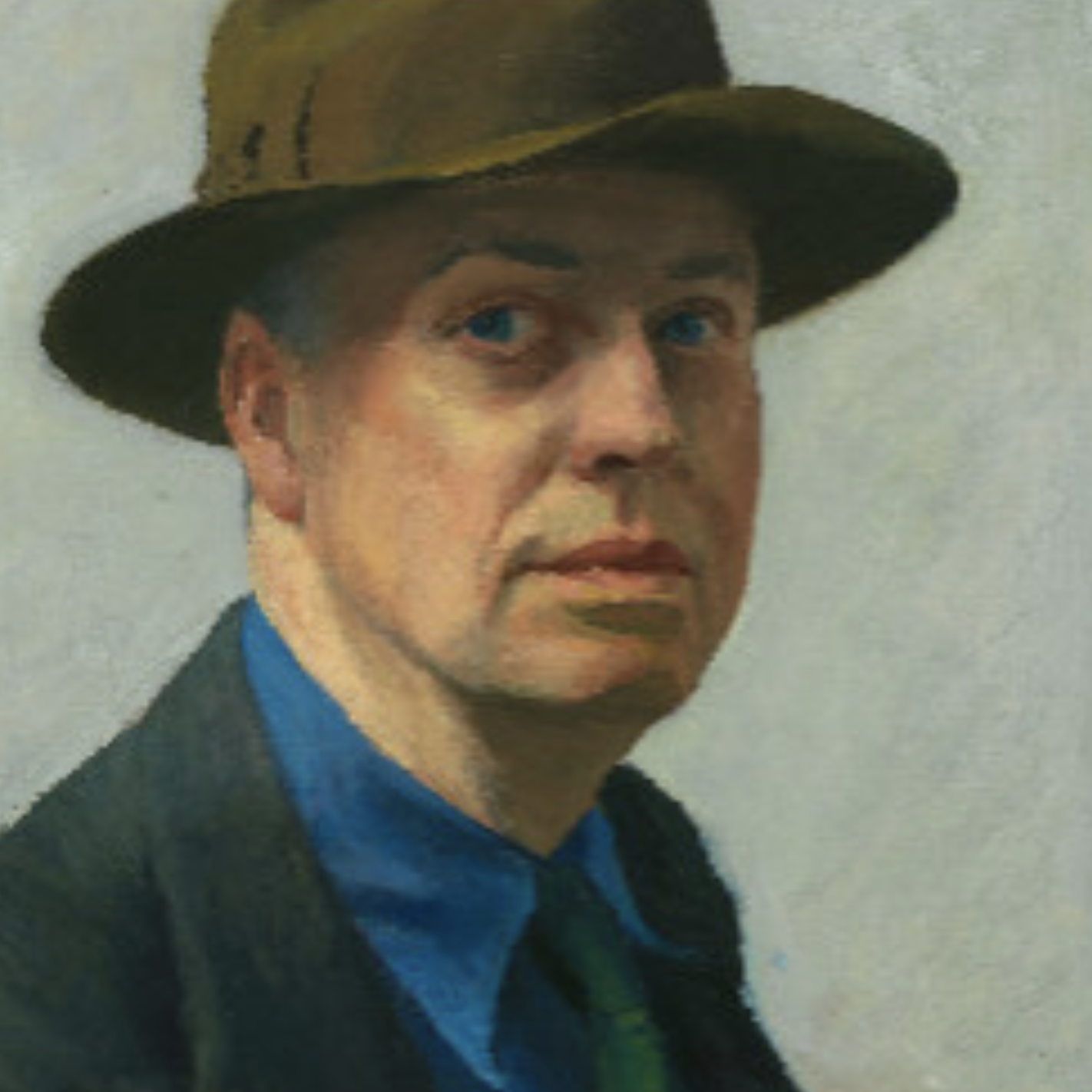
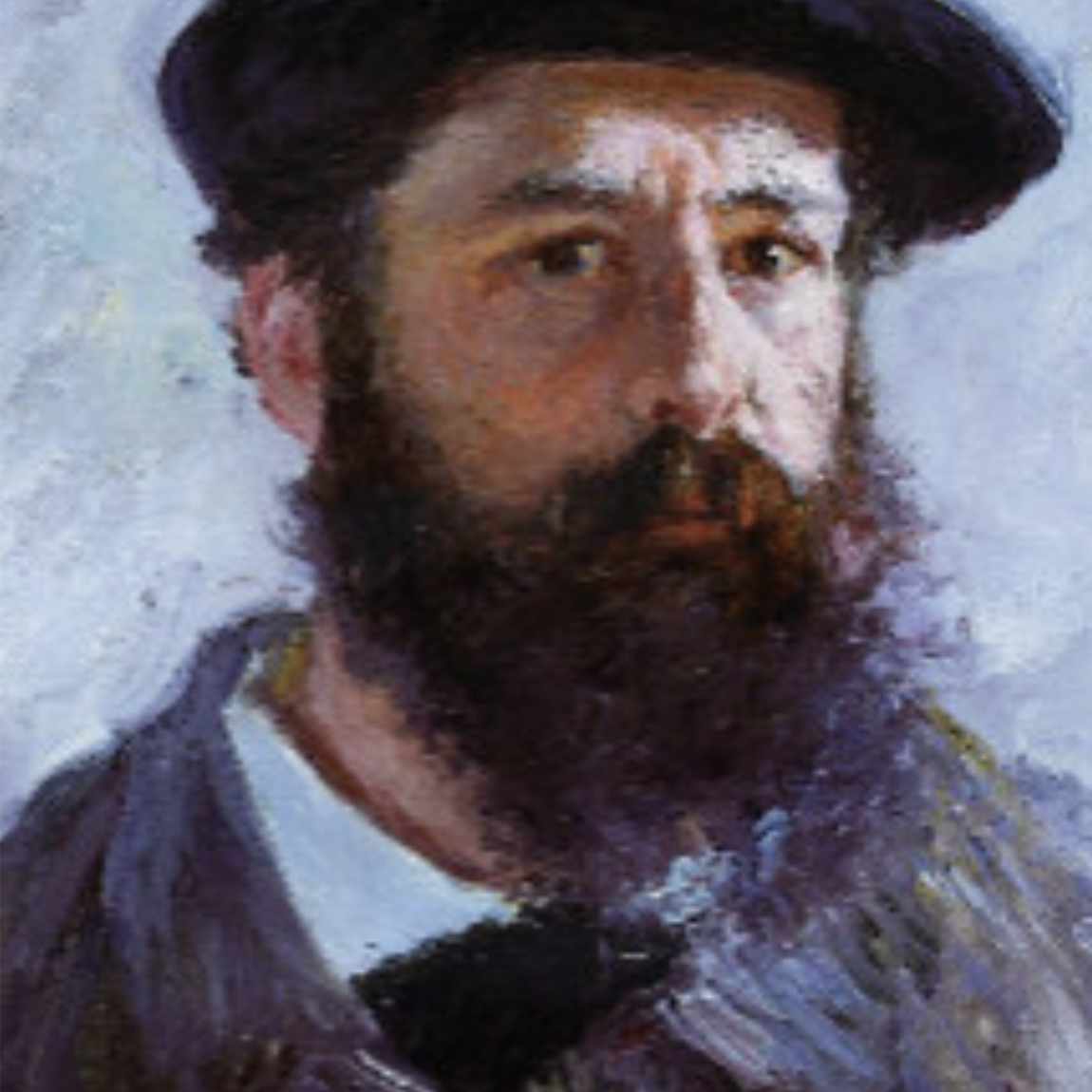
An immersive, browser-based museum experience that pairs classic artworks with ambient soundscapes. Visitors explore a gallery of eight paintings across four artists — Van Gogh, Monet, Hopper, and Nara — and interact with each work through a sliding puzzle mechanic.

The project explores how sound and interactivity can transform passive art viewing into an embodied experience. Each painter has a unique ambient sound environment that plays when the puzzle is engaged, creating an emotional layer tied to the work.

While preserving the originality of each piece, the experience encourages visitors to engage more deeply with the art through interaction and sound.
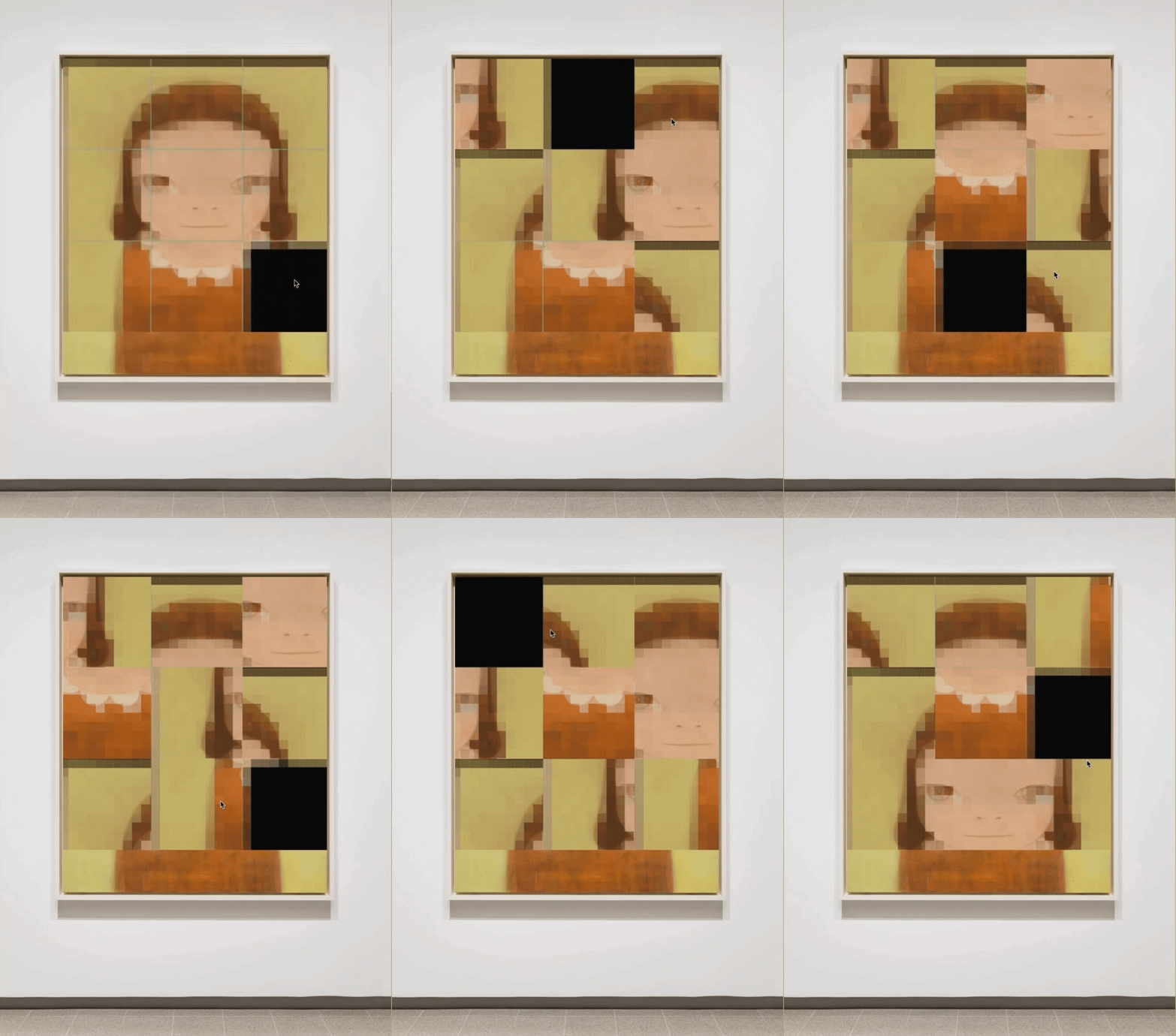
Interactive Museum — Nara puzzle in motion
Yoshitomo Nara, Miss Margaret, 2016. Installation view, Yoshitomo Nara, Jun 10 – Aug 31, 2025, Hayward Gallery, London. Photo: Mark Blower © Yoshitomo Nara, courtesy the artist and the Hayward Gallery.
Click any painting to enter the puzzle Slide tiles to reconstruct the image Press ESC to return to the gallery
Figma Prototype — UI Design

The interaction was also designed in Figma — mapping the gallery view, difficulty levels, and puzzle states across a tablet interface. The layout concept stays simple and quick, encouraging visitors to spend their time on the interaction itself rather than on choosing which artwork to explore.

Immersive Museum — Figma Prototype
Click to interact with the prototype Open full screen ↗
Process
01
Concept

Exploring how digital interfaces can create intimacy with art. The sliding puzzle forces close looking — you have to examine fragments before seeing the whole.

Reference landscape shot — concept exploration
02
Sound Design

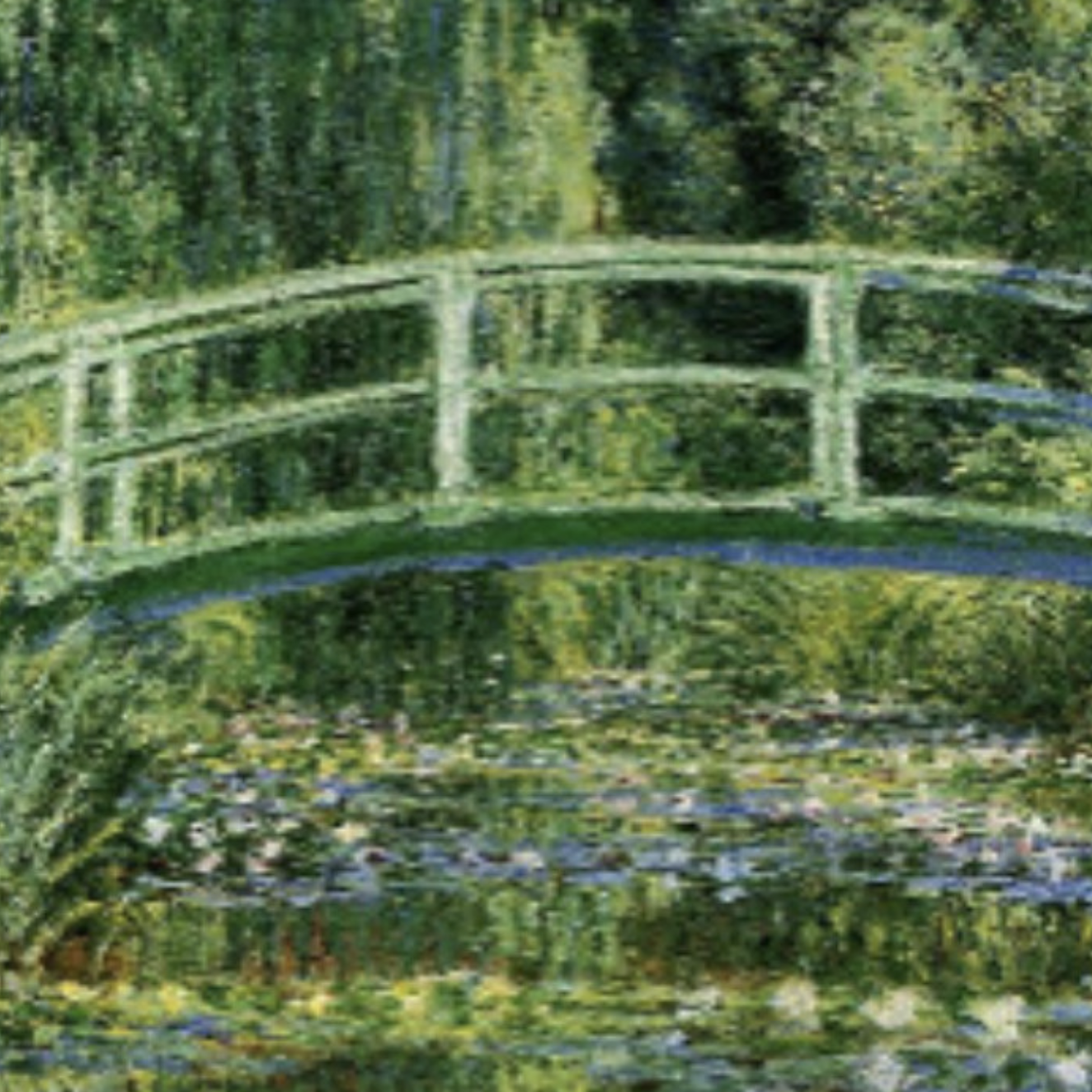
Each ambient track was chosen to evoke the emotional register of each painter — restless for Van Gogh, quiet and aquatic for Monet, urban and lonely for Hopper.

Reference portrait — sound design mood
03
Interaction

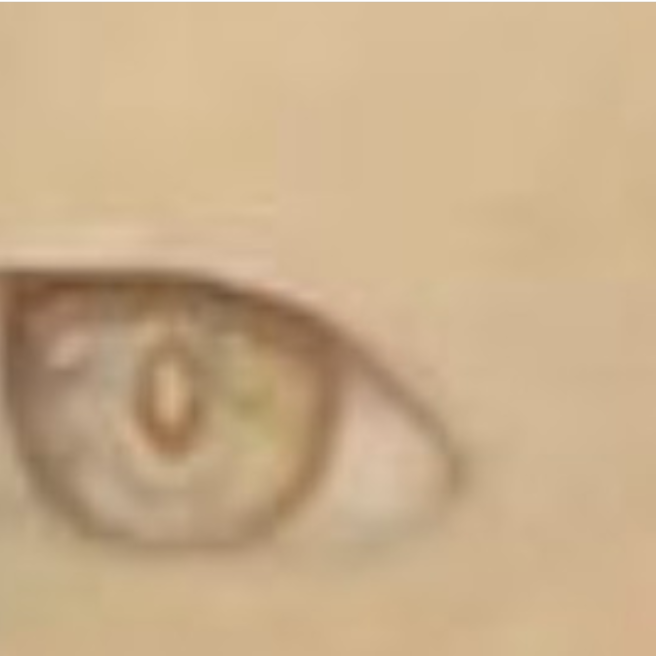
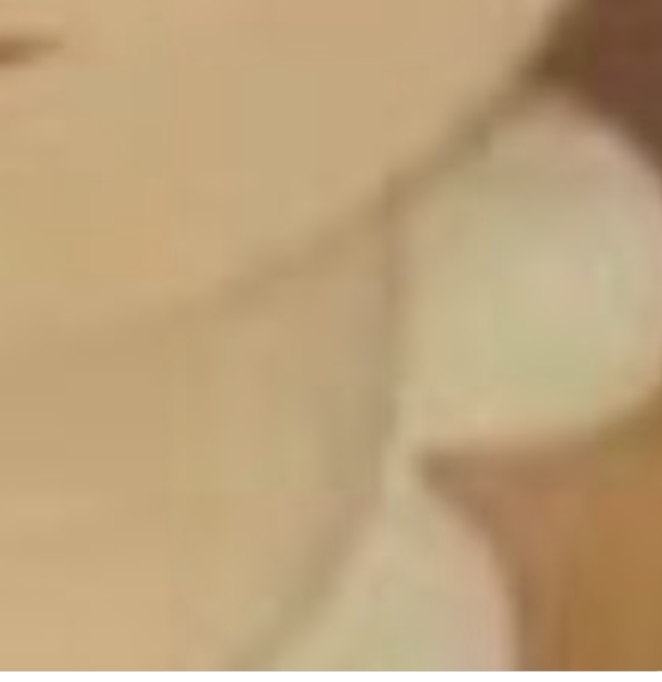
The pixelation overlay on puzzle tiles references the visual breakdown of perception — how we see before we understand. Sound only starts after the first interaction, respecting browser autoplay rules.

Close-up eye crop — perception detail Close-up skin/hair crop — perception detail Close-up nose crop — perception detail
Closing reference portrait